
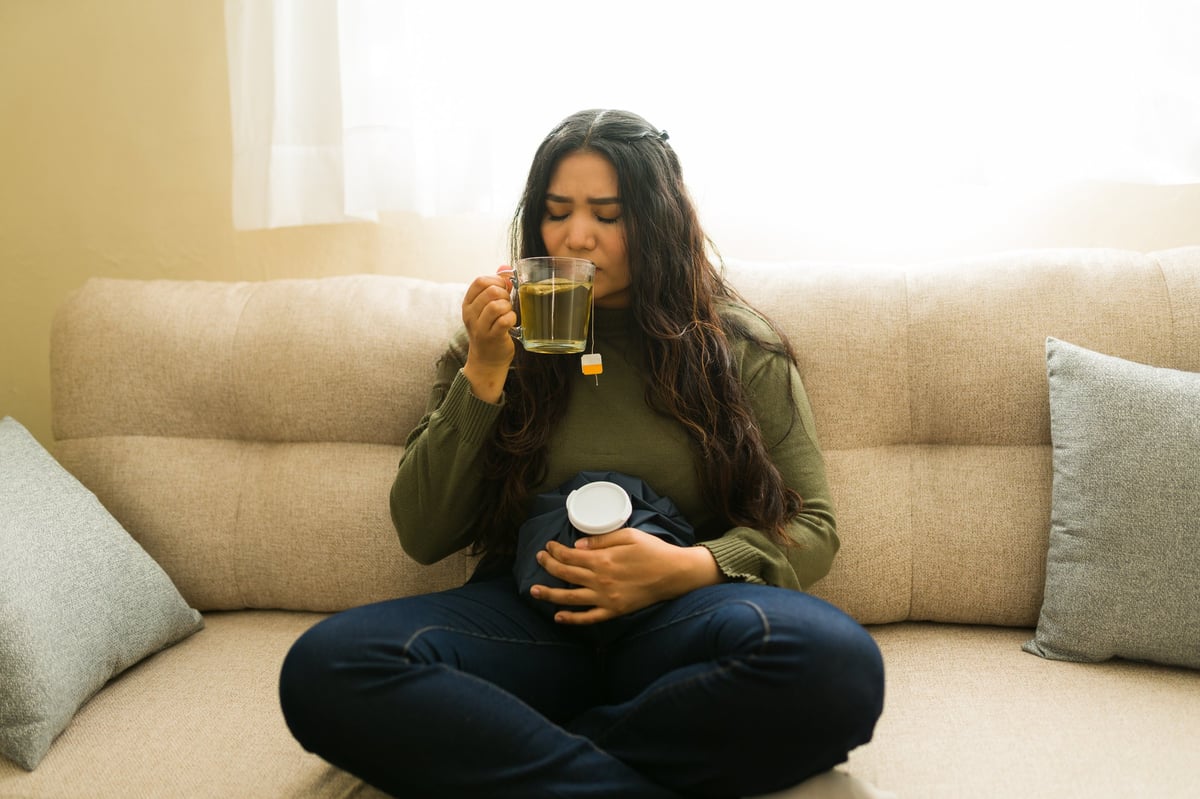
Painful periods have a medical name: dysmenorrhea. That just means crampy pain in the lower belly during your period. For most people, there is no underlying disease causing it — doctors call that "primary" dysmenorrhea. For others, the pain comes from a condition like endometriosis (uterine-type tissue growing outside the uterus), adenomyosis (that tissue growing into the muscle of the uterus), or fibroids.
The good news: period cramp treatments are well studied. The goal is simple — enough relief that you can do most or all of your normal activities. Here is what the evidence actually supports.
What is the best painkiller for period cramps?
For most people, NSAIDs are the first choice. NSAID stands for "nonsteroidal anti-inflammatory drug." Common examples are ibuprofen and naproxen. These medicines block prostaglandins — the chemicals that make the uterus cramp.
The evidence here is strong. A large review of dozens of clinical trials found NSAIDs clearly beat placebo for period pain. They also beat acetaminophen (Tylenol) in head-to-head data.
Timing matters. The best results come from starting the medicine right at the start of your period — or at the very first sign of pain — and taking it on a schedule for the first two to three days, matching your usual pain pattern. Don't wait until the pain is severe.
A few more evidence-backed points:
- Ibuprofen-type NSAIDs are the usual starting point. They are inexpensive, easy to find without a prescription, and proven to work. Clinicians often use the higher end of the standard dose range for period pain — ask your clinician what's right for you.
- Fenamates (a prescription NSAID family that includes mefenamic acid) may work slightly better for some people. They block prostaglandins from being made and from acting. A typical prescription approach is a short three-day course each cycle.
- Acetaminophen is a reasonable backup if you can't take NSAIDs, though it's less effective. It's gentler on the stomach.
- Side effects of NSAIDs are usually mild — stomach upset is the most common. Because they're only taken a few days a month by mostly young, healthy people, problems are less frequent than in other groups.
- If one NSAID doesn't help enough after two to three cycles, switching to a different type (like a fenamate) is a standard next step.
Can birth control stop period pain?
Yes — hormonal birth control is the other first-line treatment, and it's just as valid a starting point as NSAIDs. There's no evidence that one is better than the other, so the choice comes down to your goals. If you also want contraception, hormonal birth control is a logical first pick. You can also use it purely for pain, even if you don't need contraception.
Here's why it works: estrogen-progestin birth control thins the uterine lining over time. A thinner lining makes fewer prostaglandins, so you get lighter flow and fewer cramps.
The evidence supports several options:
- Combined pills — a review of trials found the pill roughly doubled the odds of pain relief compared with placebo. No single brand or dose has proven better than another.
- The patch and the vaginal ring — these work on the lining the same way pills do, and ring users in trials reported similar cramp relief to pill users.
- The hormonal (levonorgestrel) IUD — a small device placed in the uterus that releases progestin. It reduces period pain about as well as the pill, and about 1 in 5 users of the higher-dose version stop bleeding altogether after a year.
- The implant — in trial data, more than three-quarters of people with period pain improved.
- The shot (depot medroxyprogesterone) — also linked to less period pain, partly because about half of users stop bleeding after a year. One caution from the evidence: fertility can take a while to return after stopping, so it may not suit people hoping to conceive soon.
One thing to avoid if cramps are your main problem: the copper IUD tends to make period pain worse, and that's a leading reason people have it removed in the first year.
If NSAIDs alone or birth control alone isn't enough, using both together can work when neither works well on its own.
Is it possible to safely skip periods?
Yes. Standard birth control pills are often taken with a week of placebo pills, which triggers a monthly bleed. But trials show that extended or continuous dosing — skipping the placebo week to have fewer periods, or none — relieved menstrual symptoms as well as or better than the traditional schedule.
So if cyclic pills help but your "off week" is still miserable, the evidence supports switching to a formulation with a shorter hormone-free break or an extended-cycle schedule. This is called menstrual suppression: fewer periods, or no periods, on purpose. The hormonal IUD and the shot can also lead to very light or absent periods over time. Which schedule you choose is ultimately about your preference — talk it through with a clinician.
What home remedies for cramps are backed by evidence?
Two stand out:
- Heat. In randomized trials, a heat pack on the lower belly relieved cramps about as well as ibuprofen and better than acetaminophen — with no side effects. Heat may also boost the effect of other treatments.
- Exercise. A review of 11 trials found exercise reduced both the intensity and the length of period pain. The ideal type and amount aren't known, but the risk is low and the overall health benefits are real.
Other approaches — yoga, massage, acupuncture, acupressure, behavioral techniques, and dietary changes or supplements like vitamin E, B vitamins, fish oil, ginger, and magnesium — have shown some promise in small studies, but the evidence is weak or low quality. They appear low risk, so it's reasonable to add them if they interest you. Just don't rely on them as your main treatment.
When should you see a doctor if period cramp treatments fail?
If you've given first-line treatment a fair trial — NSAIDs and/or hormonal birth control, alone or combined, for three to six months — and pain still limits your life, it's time for a medical evaluation. Persistent pain that resists standard treatment, missed work or school, or repeat urgent care visits for period pain are all signals that a condition like endometriosis or adenomyosis could be the cause. In studies of people with pain that didn't respond, endometriosis was found in the large majority who went on to have diagnostic surgery.
There are also second-tier options for stubborn pain, including TENS (a device that calms pain signals with mild electrical pulses through the skin) and prescription hormone-blocking medicines. These are decisions to make with a clinician who knows your history.
Frequently asked questions
How long should I try a treatment before deciding it isn't working?
Give each approach two to three months — that's the window clinicians use before adding a second treatment or switching. Pain relief in the first month can be misleading, because placebo effects are strong early on and fade fast. Real treatments keep working over multiple cycles.
Can I take ibuprofen and use birth control at the same time for cramps?
Yes. NSAIDs and hormonal birth control work in different ways, and using both can help when either one alone isn't enough. Check with a clinician before starting or combining medicines, especially if you have other health conditions.
Will taking NSAIDs for cramps hurt my chances of getting pregnant?
For most people, no. NSAIDs can theoretically delay ovulation, but since they're taken during your period — far from ovulation — that's unlikely to matter. If you're having trouble conceiving, mention your NSAID use to your clinician, who may suggest avoiding them or lowering the dose.
Is it bad for my body to skip periods on birth control?
Trials of extended and continuous birth control schedules show they relieve menstrual symptoms as well as or better than monthly cycling, and the choice of schedule comes down to preference. A monthly bleed on the pill isn't medically necessary. A menstrual suppression consult can help you pick the method and schedule that suit you.
A treatment plan, built around your body and your goals.
In a new-patient visit, we'll listen to your story and build an evidence-based treatment plan for your period pain. If you'd rather have fewer periods — or none — we also offer menstrual suppression consults.
Book a VisitMedical review & sources
This article is based on current clinical references on the treatment of dysmenorrhea (period pain). It is for education only and is not medical advice. Everyone's situation is different — talk with a clinician before starting, stopping, or combining any medicines or treatments.
Medically reviewed by Margo Harrison, MD, MPH, FACOG · Last updated August 2026